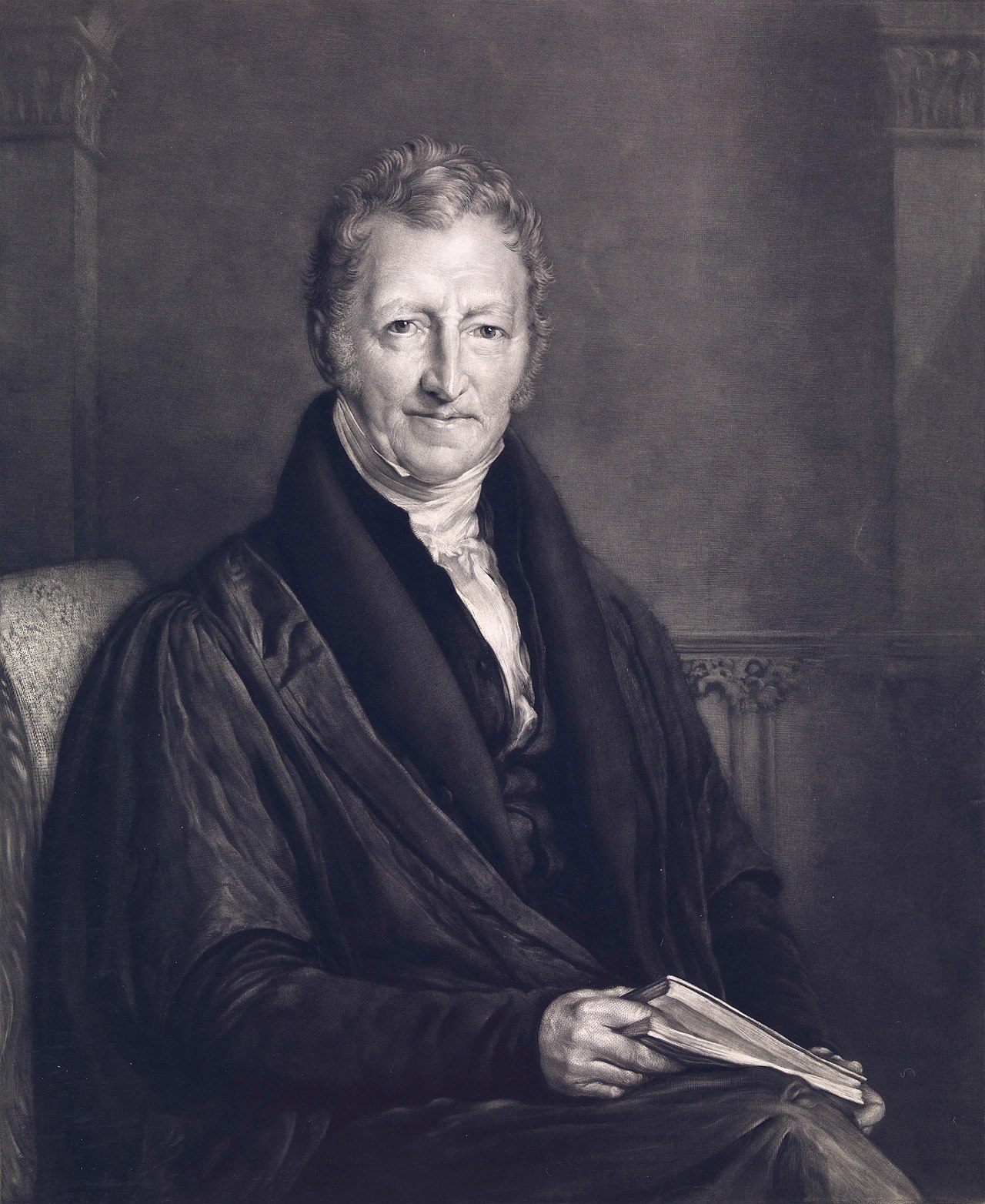
Malthus & Hardin: Confronting the Planet's Potential to Grow Progressively More Rancid
The health of our planet has become an unavoidable topic, dominating headlines and policy debates with increasing urgency. Decades of mounting evidence regarding climate change, escalating pollution, and unsustainable human activities have painted a stark picture, prompting a global conversation about the future. For many, the trajectory of our environmental challenges suggests a future where our planet could indeed grow progressively more rancid, a chilling prospect that implies a slow, putrefying decay akin to something left to fester. This potent metaphor, originating from a recent crossword clue, encapsulates the widespread anxiety about the potential for environmental degradation to worsen over time.
To truly grapple with this complex prognosis, we must look to the foundational insights of two pivotal thinkers: Thomas Malthus and Garrett Hardin. Though separated by nearly two centuries, their theories offer critical lenses through which to understand humanity's impact on the Earth. Their work, though often debated and criticized, remains profoundly relevant, helping us dissect the challenges we face and illuminate potential pathways to prevent our shared home from an increasingly rancid destiny.
The Malthusian Specter: When Exponential Growth Threatens Our Future
In 1798, British scholar Thomas Malthus presented a profoundly unsettling proposition in his influential work, An Essay on the Principle of Population. His core argument was simple yet stark: human populations tend to grow exponentially, while the resources necessary to sustain them, particularly food production, increase only arithmetically. This fundamental imbalance, Malthus contended, would inevitably lead to a future where population growth would outstrip the food supply, culminating in widespread famine, disease, and conflict. In essence, he foresaw a world destined to grow progressively more rancid as its inhabitants battled for increasingly scarce resources.
Malthus's theory ignited fierce debate, a controversy that persists even today. Critics point to significant technological advancements since his time, such as the Green Revolution's dramatic increase in agricultural yields and the widespread adoption of family planning, which have seemingly defied his dire predictions in many parts of the world. They argue that human ingenuity and innovation can continually push back against Malthusian limits. However, proponents maintain that Malthus's central premise remains tragically relevant. In many developing nations, rapid population growth continues to exert immense pressure on limited resources, contributing to food insecurity, water scarcity, and environmental degradation. The challenges of feeding a projected 9-10 billion people by mid-century, coupled with the escalating demand for energy, housing, and clean water, suggest that Malthus's specter of scarcity continues to loom large. Our ability to manage these expanding demands without allowing our shared environment to grow progressively more rancid is a defining challenge of our era.
Hardin's 'Tragedy': How Self-Interest Lets Resources Fester
Fast forward to 1968, and American ecologist Garrett Hardin introduced another seminal concept: "The Tragedy of the Commons." This theory describes a scenario where individuals, acting rationally in their own self-interest, deplete a shared, finite resource, even when it's clear that such actions are detrimental to everyone's long-term well-being. Hardin argued that without intervention, common resources—be they grazing lands, clean air, pristine oceans, or even internet bandwidth—are doomed to overuse and degradation, effectively allowing them to grow progressively more rancid.
Hardin's insights have been applied to an array of contemporary environmental crises. Overfishing in international waters, unchecked deforestation leading to desertification, and global air and water pollution are classic examples of the tragedy playing out on a grand scale. Each individual user benefits immediately from exploiting the resource, while the costs of depletion are distributed among all, making individual restraint seem irrational. Hardin proposed two primary solutions to avert this tragedy: stringent government regulation or the privatization of common resources. While effective in certain contexts, Hardin's theory has also faced criticism for being overly simplistic and not fully accounting for the complexities of human cooperation, community-based management, and the potential for collective action. Scholars like Elinor Ostrom later demonstrated how communities can successfully manage common-pool resources through self-organized institutions and norms, offering a more nuanced perspective on preventing the "commons" from becoming rancid.
A Confluence of Concerns: Why Malthus and Hardin Still Matter
The theories of Malthus and Hardin, though distinct, converge powerfully when examining the multifaceted environmental problems the world faces today. Malthus highlights the sheer pressure of increasing numbers, while Hardin illuminates the destructive potential of individual self-interest when interacting with finite shared resources. Together, they provide a compelling framework for understanding why our planet continues to grow progressively more rancid in certain aspects.
- Climate Change: This is arguably the ultimate "tragedy of the commons," where the global atmosphere acts as a shared sink for greenhouse gas emissions. Each nation and individual benefits from fossil fuel consumption, while the collective cost of global warming is borne by all. Malthusian pressures exacerbate this, as a growing global population demands more energy and resources, intensifying emissions.
- Resource Depletion: From freshwater scarcity to the rapid depletion of critical minerals, the combined forces of exponential demand (Malthus) and unchecked exploitation of shared resources (Hardin) are driving us towards critical thresholds.
- Biodiversity Loss: Habitat destruction due to human expansion and resource extraction, alongside pollution, is leading to unprecedented species extinction rates. This represents the ultimate degradation of a shared planetary heritage.
- Pollution: Plastic in our oceans, microplastics in our food chain, and persistent chemical pollutants in our air and water are direct consequences of treating the environment as a limitless common dumping ground, while a growing population generates ever more waste.
Understanding these intertwined dynamics is crucial. It's not just about more people, nor just about selfish behavior; it's about how burgeoning human numbers, coupled with systemic failures in managing shared resources, create a powerful engine for environmental decline.
Practical Pathways to Prevent a Rancid Future
Preventing our planet from continuing to grow progressively more rancid requires a multi-pronged approach, drawing lessons from both Malthus and Hardin, and extending beyond their original prescriptions. It demands a shift from viewing Earth's resources as limitless to recognizing them as a shared, finite endowment requiring diligent stewardship.
Individual Actions:
- Conscious Consumption: Make choices that minimize your ecological footprint. Support sustainable businesses, reduce waste, and choose products with minimal packaging.
- Family Planning: Access to education and family planning resources empowers individuals to make informed choices about family size, contributing to more sustainable population trajectories.
- Advocacy: Engage with environmental issues, support policies that promote sustainability, and hold leaders accountable for climate action.
Collective and Governmental Solutions:
- Smart Regulation: Implement and enforce robust environmental regulations to protect common resources, setting limits on pollution, resource extraction, and emissions. This aligns with Hardin's call for governmental intervention.
- Investment in Sustainable Technologies: Accelerate the transition to renewable energy, develop sustainable agricultural practices, and invest in circular economy models to decouple growth from resource depletion. This addresses Malthus's concerns about resource limits.
- International Cooperation: Tackle global commons issues like climate change and ocean pollution through binding international agreements and collaborative efforts, recognizing that these problems transcend national borders.
- Equitable Resource Distribution: Address the root causes of poverty and inequality, which often drive unsustainable resource use in desperate circumstances. Ensuring equitable access to resources can reduce the pressure on common goods.
By integrating these approaches, we can work towards a future where human flourishing is harmonized with planetary health, ensuring that our shared commons are preserved, not allowed to spoil.
Conclusion
The insights of Thomas Malthus and Garrett Hardin, though forged in different centuries, offer profound and enduring relevance to our contemporary environmental challenges. The Malthusian warning about population outstripping resources, combined with Hardin's "Tragedy of the Commons" highlighting the perils of unchecked self-interest, paints a sober picture of how our planet could indeed grow progressively more rancid. However, their theories are not merely prophecies of doom; they are urgent calls to action. By understanding these fundamental dynamics—the pressures of population, the vulnerabilities of shared resources—we are empowered to seek comprehensive and collaborative solutions. The choice lies before us: to passively watch our environment decay, or to actively engage in the stewardship required to secure a vibrant, sustainable, and far from rancid future for generations to come.